by John Dye | Jul 23, 2026 | Blog
Summer camp is full of adventure, but it also brings exposure to sun, water, insects, allergens, and sports activities that can affect eye health and safety. Before camp starts, make sure your child is up to date on any eye exams and has an adequate supply of glasses,...
by John Dye | Jul 21, 2026 | Blog, News
In a pediatric hospital in Johannesburg, a young girl sat for an eye exam that would likely determine the course of her life. She had advanced glaucoma—severe enough that, without treatment, she could lose her sight within a year. The diagnosis came not in a...
by John Dye | Jul 15, 2026 | Blog
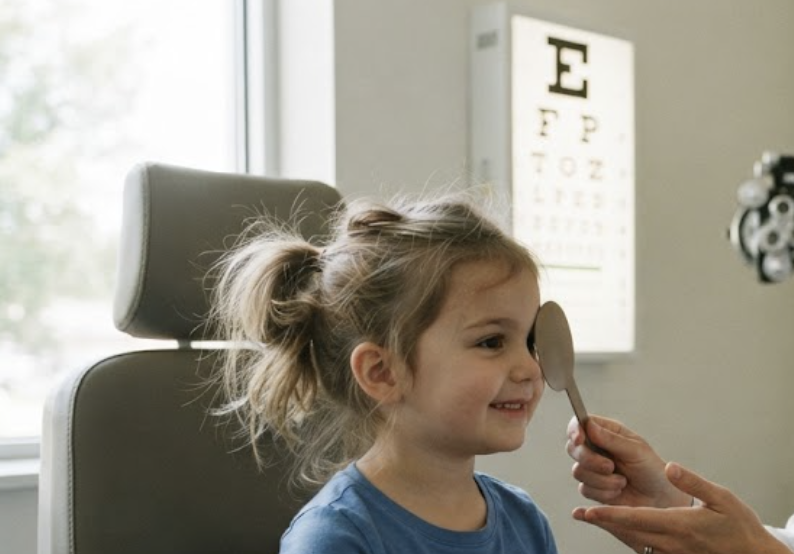
Late spring and early summer are excellent times to schedule your child’s comprehensive eye exam. One in four children in the U.S. has a vision disorder that needs diagnosis and treatment, yet school screenings miss up to 75% of kids with vision problems because...
by John Dye | Jul 9, 2026 | Blog
Research consistently shows that spending more time outdoors during childhood significantly reduces the risk of developing myopia (nearsightedness) and can slow its progression. The protective effect comes from exposure to natural sunlight and the opportunity for eyes...
by John Dye | Jul 4, 2026 | Blog
As Utah’s summer sun intensifies in May and June, protecting children’s eyes from ultraviolet (UV) radiation becomes critical. Children receive up to three times more annual sun exposure than adults, and as much as 80% of lifetime UV exposure occurs before...
by John Dye | Jun 25, 2026 | Blog
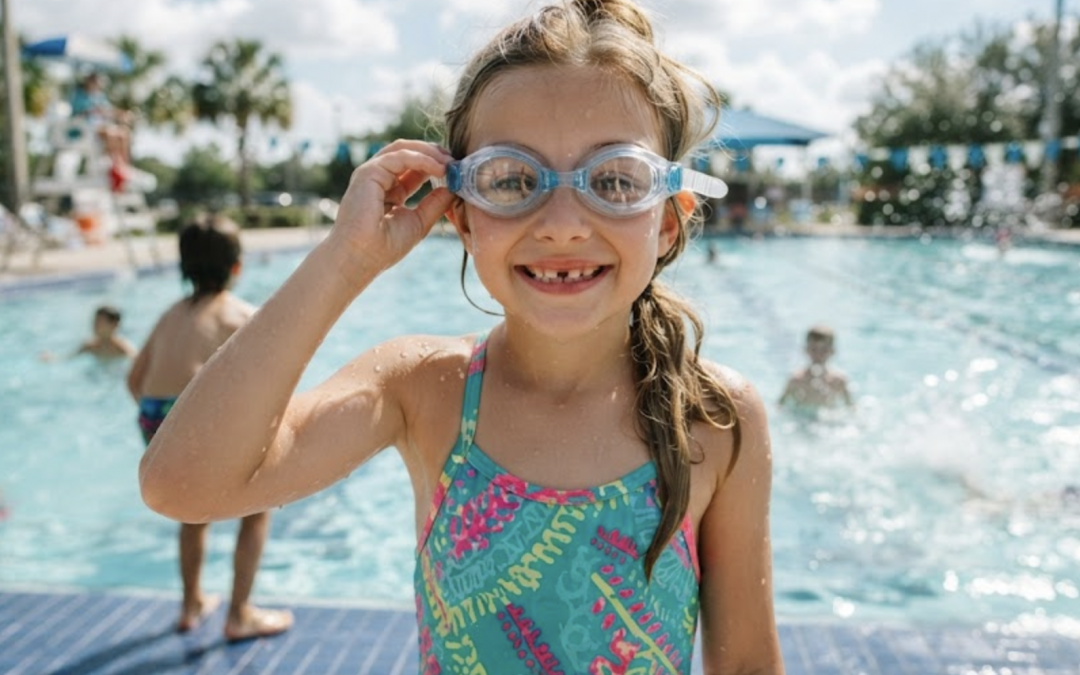
Swimming is a summertime staple, but this activity brings with it chlorine and other pool chemicals that can irritate children’s eyes, causing redness, stinging, and discomfort. Well‑fitting swim goggles create a protective barrier that keeps chlorine, debris,...