by John Dye | Aug 26, 2026 | Blog
By late July, many families notice bedtimes slipping later and screens creeping into more parts of the day. Excess evening screen time, especially close to the face, can disrupt melatonin, delay sleep, and contribute to tired, uncomfortable eyes. Kids often hold...
by John Dye | Aug 20, 2026 | Blog
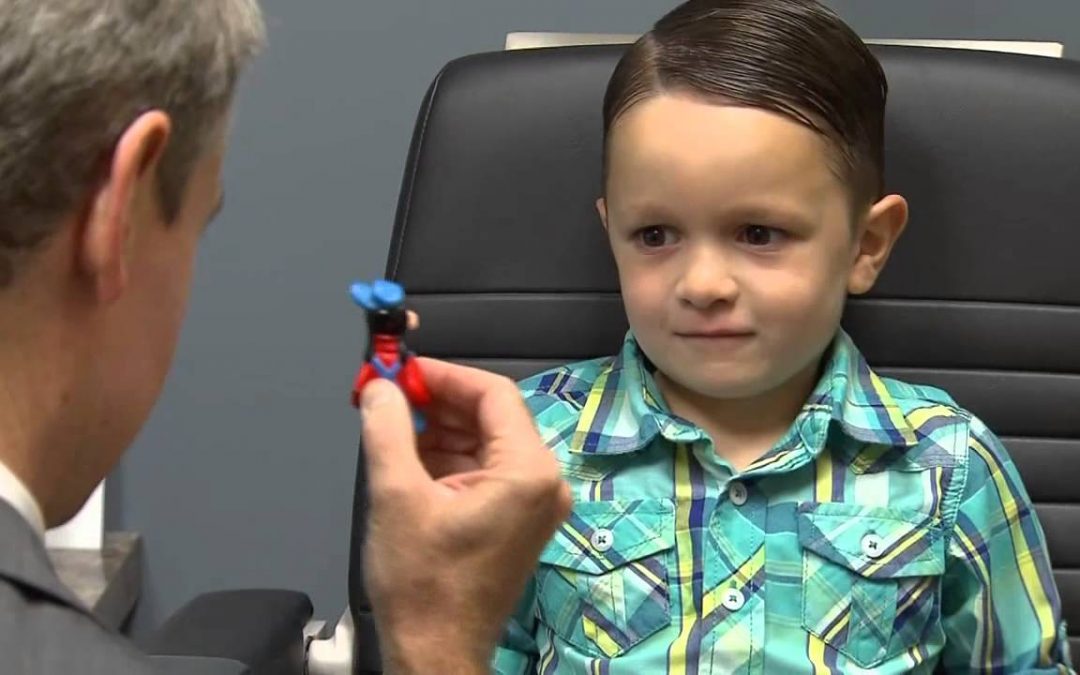
August is nationally recognized as Children’s Eye Health and Safety Month and lines up perfectly with back‑to‑school planning. About 80% of what children learn in the classroom comes through their eyes, yet significant numbers start school with undetected vision...
by John Dye | Aug 12, 2026 | Blog
Summer offers a fresh opportunity to establish eye‑healthy routines that will benefit your child year‑round. Prioritize outdoor play—at least 90 minutes to two hours daily when possible—to reduce nearsightedness risk and naturally balance indoor screen time. Make sun...
by John Dye | Aug 6, 2026 | Blog
Active summer play brings an increased risk of eye injuries from balls, sticks, sand, other things found in nature, chemicals, and other hazards. Knowing what to do in the first moments can protect your child’s vision and prevent further damage. If a foreign...
by John Dye | Aug 4, 2026 | Blog, News
EyeCare4Kids’ “See to Succeed” Back-to-School Campaign — August 2026 When a child can’t see the whiteboard, everything else in school gets harder. Reading falls behind. Confidence drops. Grades suffer. And for thousands of families across the...
by John Dye | Jul 29, 2026 | Blog
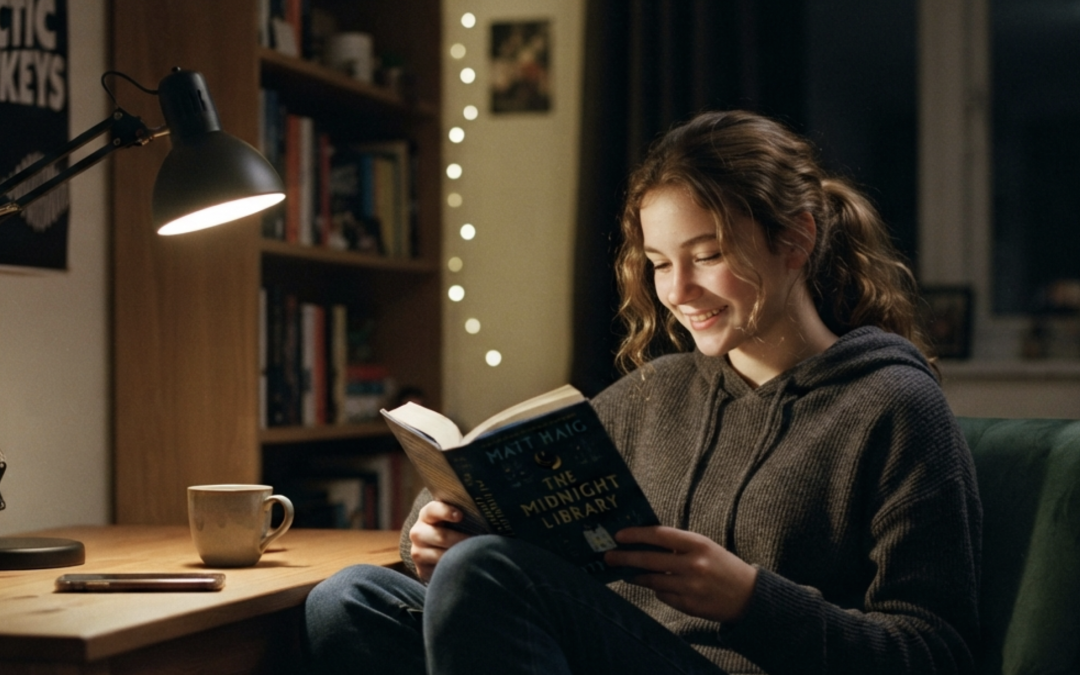
Many children participate in summer reading challenges, and proper lighting can make reading more comfortable and help prevent eye strain and fatigue. Reading in dim light will not permanently damage your child’s eyes, but it does force the pupils to dilate and...