by John Dye | Apr 9, 2026 | Blog
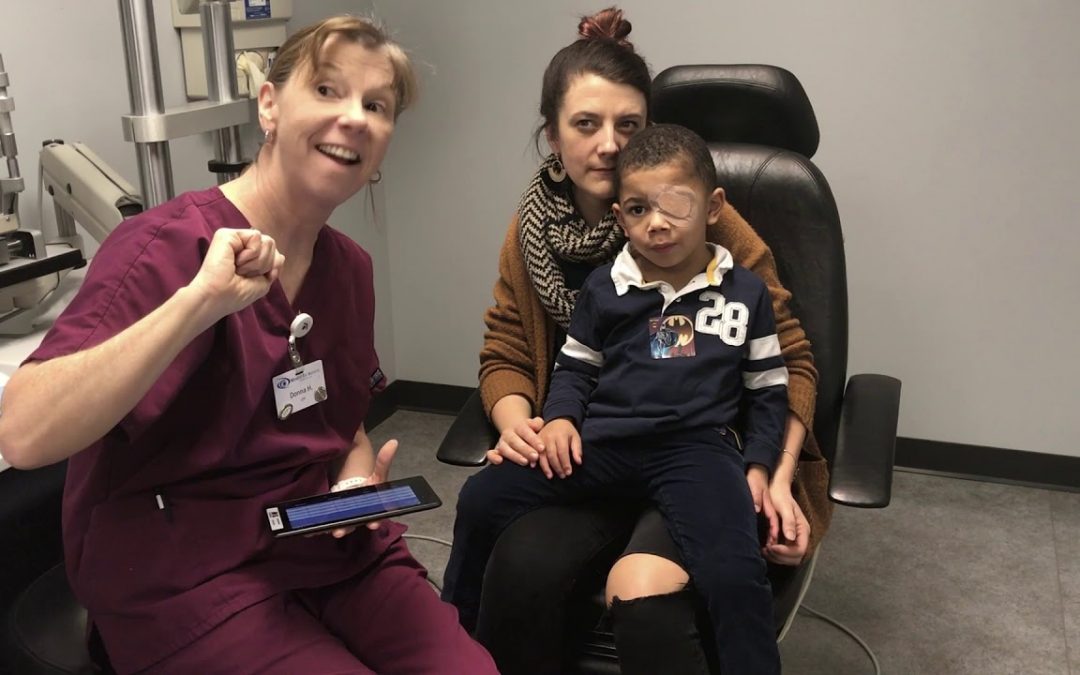
Late winter often means more indoor time, and many families notice screen use climbing. Pediatric and eye-care groups emphasize that screens themselves are not “poison,” but they do recommend age-based limits and frequent breaks to protect attention, sleep, and eye...
by John Dye | Apr 2, 2026 | Blog
Parents often wonder in late winter, “Is my baby’s vision on track?” During the first year, babies rapidly learn to focus, follow faces, and coordinate both eyes, but it can be hard to judge from home alone. Even if everything looks normal, the American Optometric...

by John Dye | Mar 27, 2026 | Blog
As we move toward spring, many children develop red, itchy, watery eyes from seasonal allergies. Typical “eye allergy” symptoms include itching, tearing, redness in both eyes, and frequent eye‑rubbing, often along with sneezing or a runny nose. Unlike infections,...

by John Dye | Mar 18, 2026 | Blog, News
Late winter and early spring often bring waves of pink eye (conjunctivitis) in schools and daycares. Pink eye simply means inflammation of the clear membrane over the white of the eye and inside the eyelids, and it can be caused by viruses, bacteria, allergies, or...

by John Dye | Mar 14, 2026 | Blog
As standardized testing and end‑of‑year projects approach, subtle vision problems can suddenly become more obvious. Children may struggle with copying from the board, lose their place while reading, or complain of headaches—yet their last school screening may have...

by John Dye | Mar 12, 2026 | Blog
As days lengthen in March, UV protection becomes even more important. Children receive more annual sun exposure than adults, and their clearer eye lenses and larger pupils let more UV light reach the retina. Long‑term, cumulative UV exposure can increase the risk of...


Recent Comments