
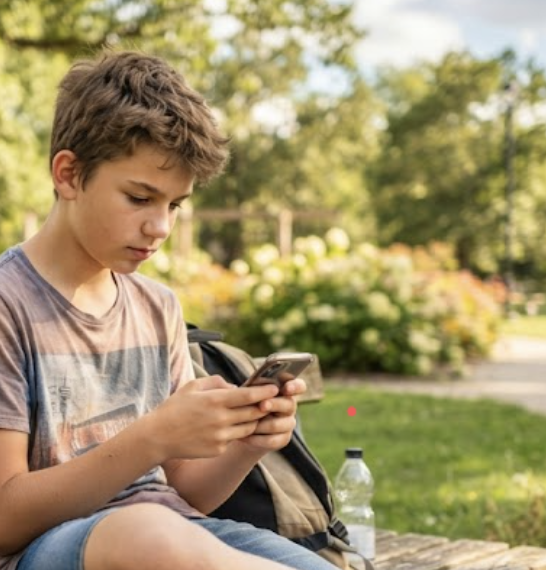
When school ends, screen time often surges—a phenomenon experts call the “screen surge.”
While devices are not inherently harmful, excessive use can lead to digital eye strain (headaches, blurred vision, dry eyes), poor sleep, irritability, and less time for physical activity and outdoor play.
The key is not to ban screens but to create a realistic, age‑appropriate plan that balances digital activities with offline fun.
The American Academy of Pediatrics suggests limiting screen time to one to two hours per day for children ages 6–12, and encourages little to no recreational screen time for younger children.
Start by establishing tech‑free zones and times—no devices at meals, during outdoor play, or in the hour before bed—and lead by example by putting your own phone down.
Offer appealing alternatives like gardening, sports, summer reading challenges, or creative projects so your child has something engaging waiting when screen time ends.
If you notice withdrawal, defensiveness, or that screens are crowding out activities your child used to love, it may be time to reassess and set firmer boundaries.
NOTE:
The information provided here is for general educational purposes only.
It is inherently limited and should not be solely relied upon.
Always seek the advice of a medical professional for any medical questions or concerns.
The content of this blog post does not create a patient-physician relationship and is not intended as medical or patient advice. Consult a doctor for answers to all medical matters.
Contact EyeCare4Kids for more information:
EMAIL ADDRESS: info@eyecare4kids.org
CALL US:
Global Headquarters: (801) 285-5443
VISIT US:
Global Headquarters: 6911 State St. Midvale, UT 84047
